4.5 — 26.7 26
-
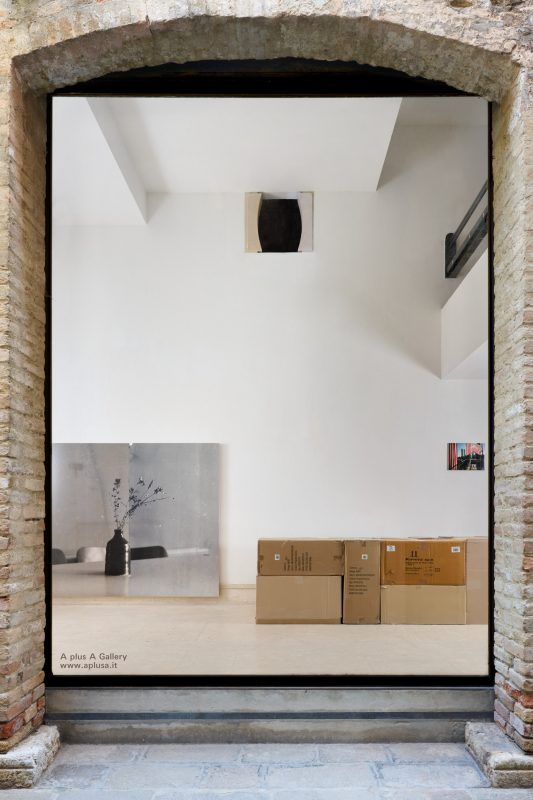 installation view Counterforms
-
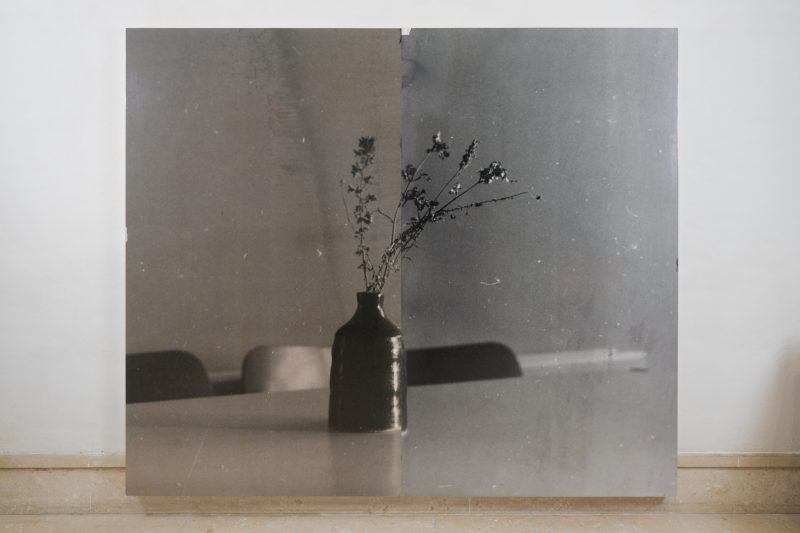 installation view Counterforms
-
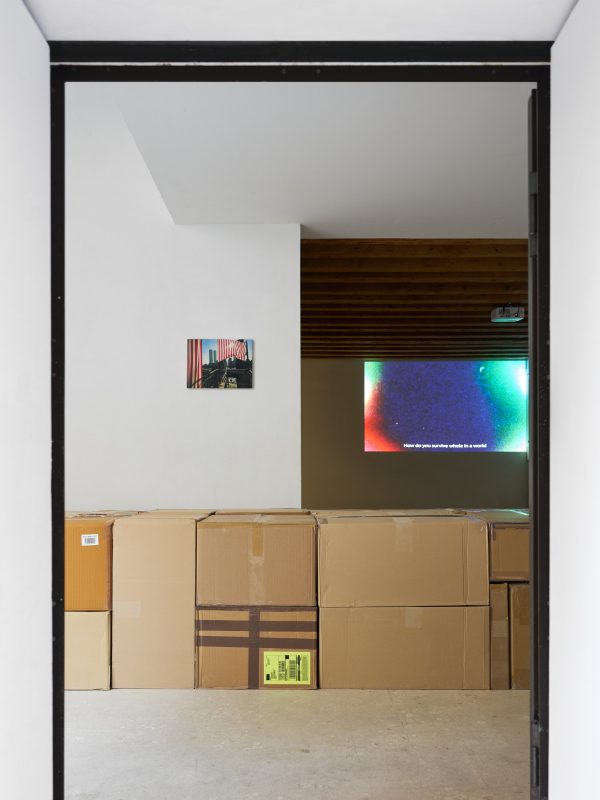 installation view Counterforms
-
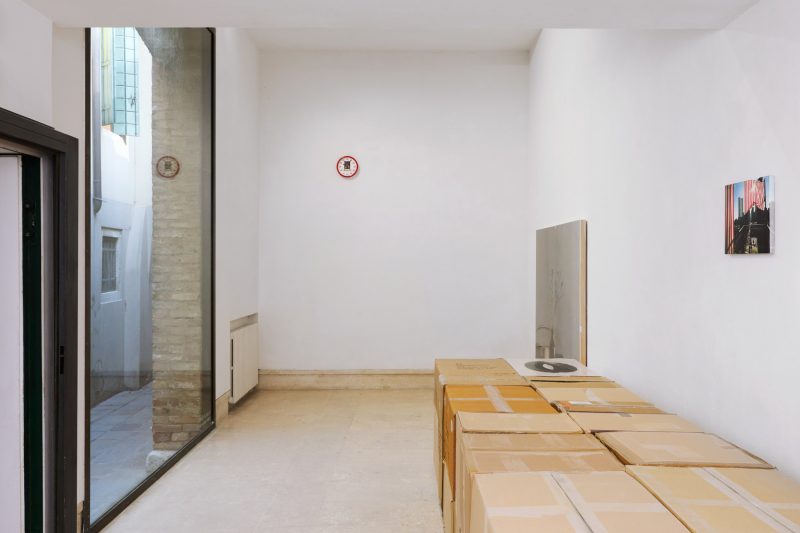 installation view Counterforms
-
 installation view Counterforms
-
 installation view Counterforms
-
 installation view Counterforms
-
 installation view Counterforms
-
 installation view Counterforms
-
 installation view Counterforms
-
 installation view Counterforms
-
 installation view Counterforms
-
 installation view Counterforms
 installation view Counterforms
  installation view Counterforms
  installation view Counterforms
  installation view Counterforms
  installation view Counterforms
  installation view Counterforms
  installation view Counterforms
  installation view Counterforms
  installation view Counterforms
  installation view Counterforms
  installation view Counterforms
  installation view Counterforms
  installation view Counterforms
 4.5 — 26.7 26
Counterforms
Hannah Black
Yvo Cho
Anna Clegg
Racheal Crowther
Ufuoma Essi
Nat Faulkner
Amelia Gill
Jason Hirata
Anna Howard
Vincenzo Ottino
Nina Porter
Organised By Neue Alte Brücke + Matt Williams
Counterforms takes its title from the typographic concept of counterform. As described by Ellen Lupton and grounded in principles articulated by Jan Tschichold, counterforms refer in typography to the spaces within and around letters that make them legible, defining proportion and rhythm and shaping how forms are read. These spaces are not empty. They organise relations between elements and structure the conditions through which form appears. This logic informs the exhibition, where interstices operate as an organising condition, extending counterform beyond the page into the spatial, material and technical infrastructures through which artworks are produced, circulated and encountered.
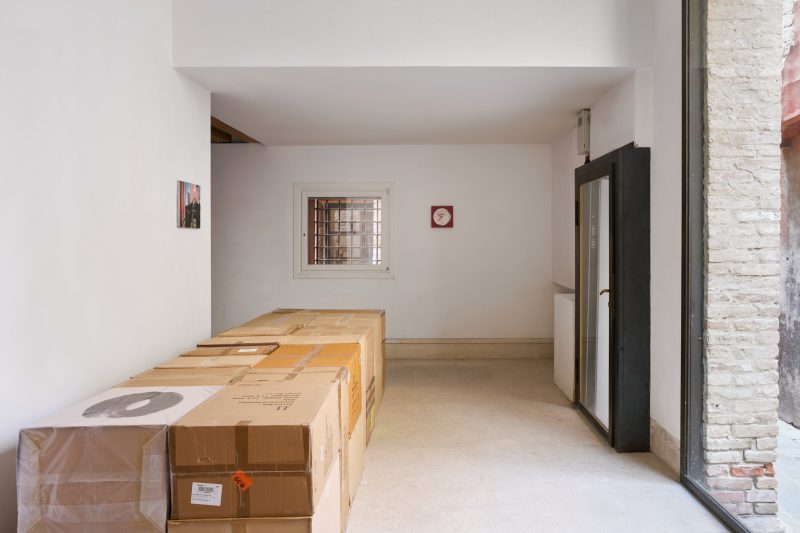
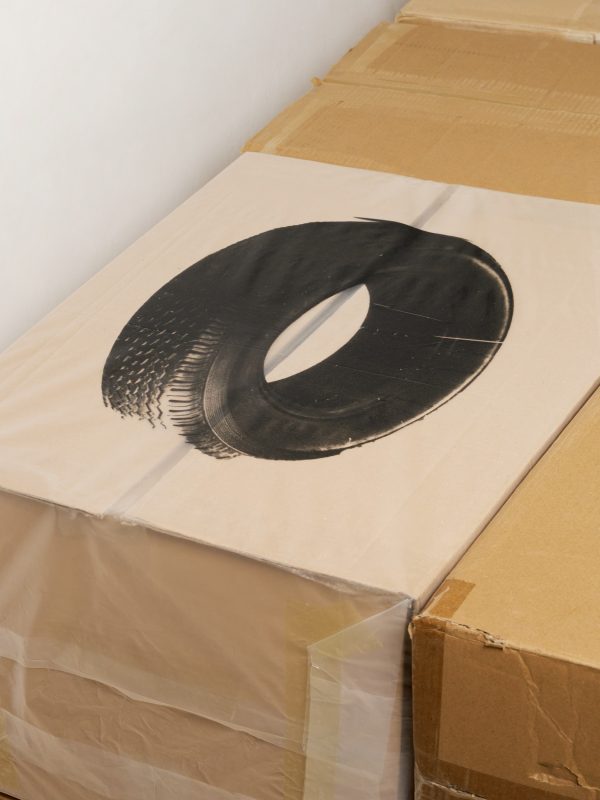
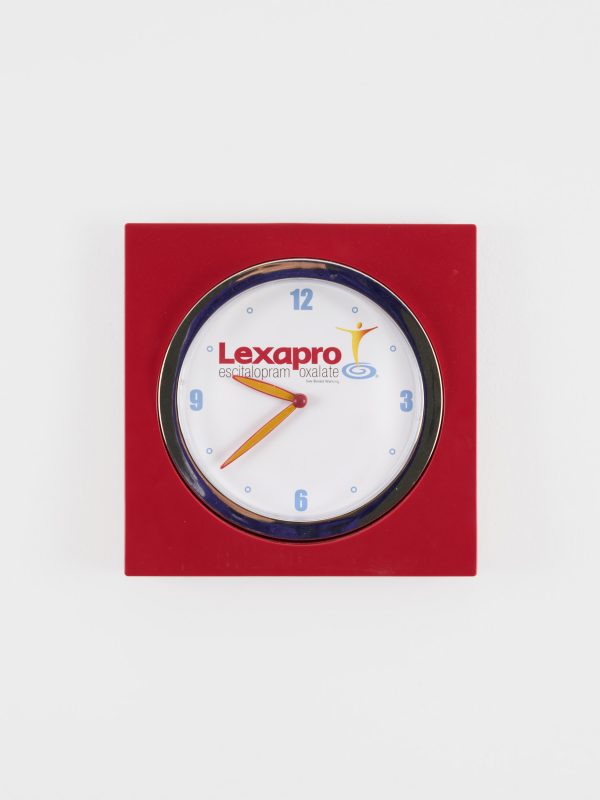
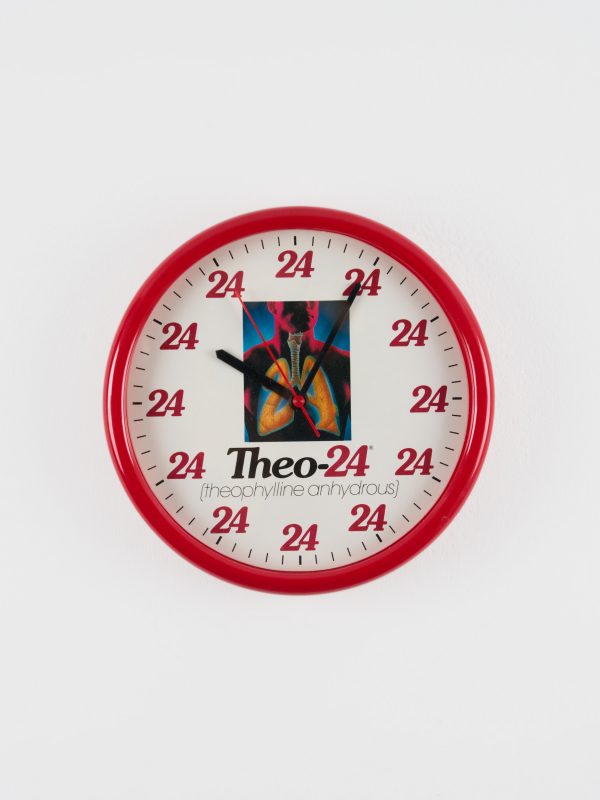
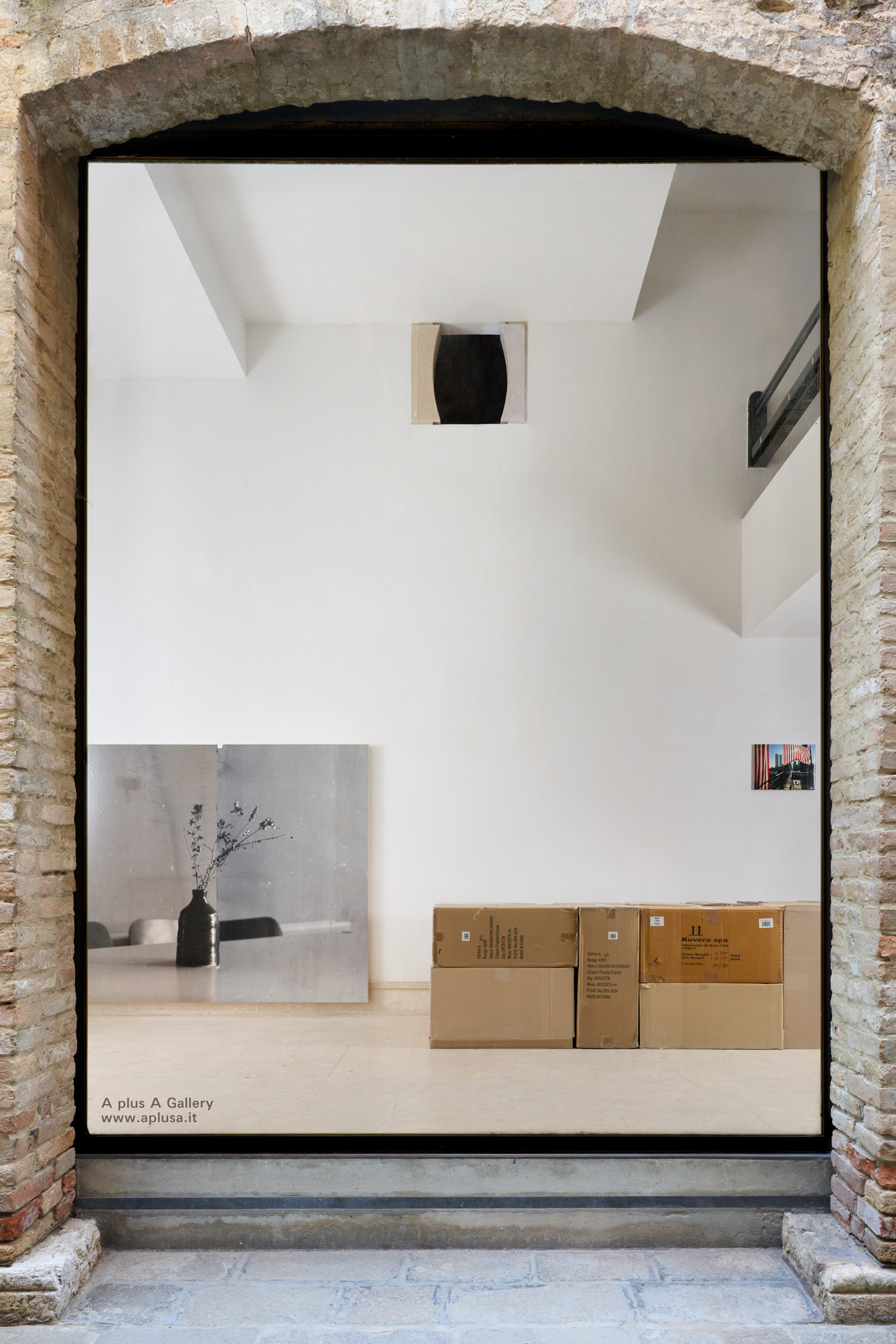
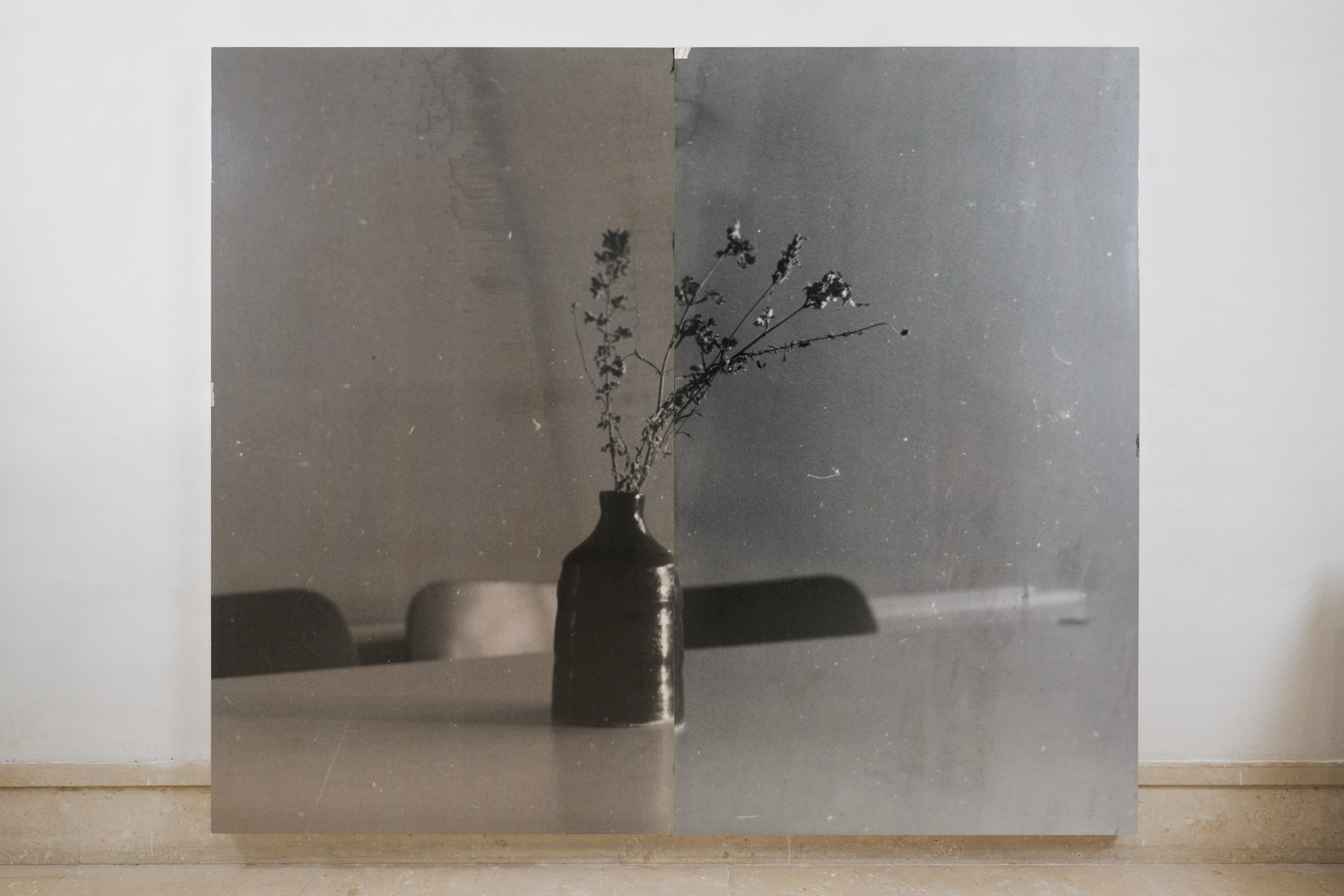
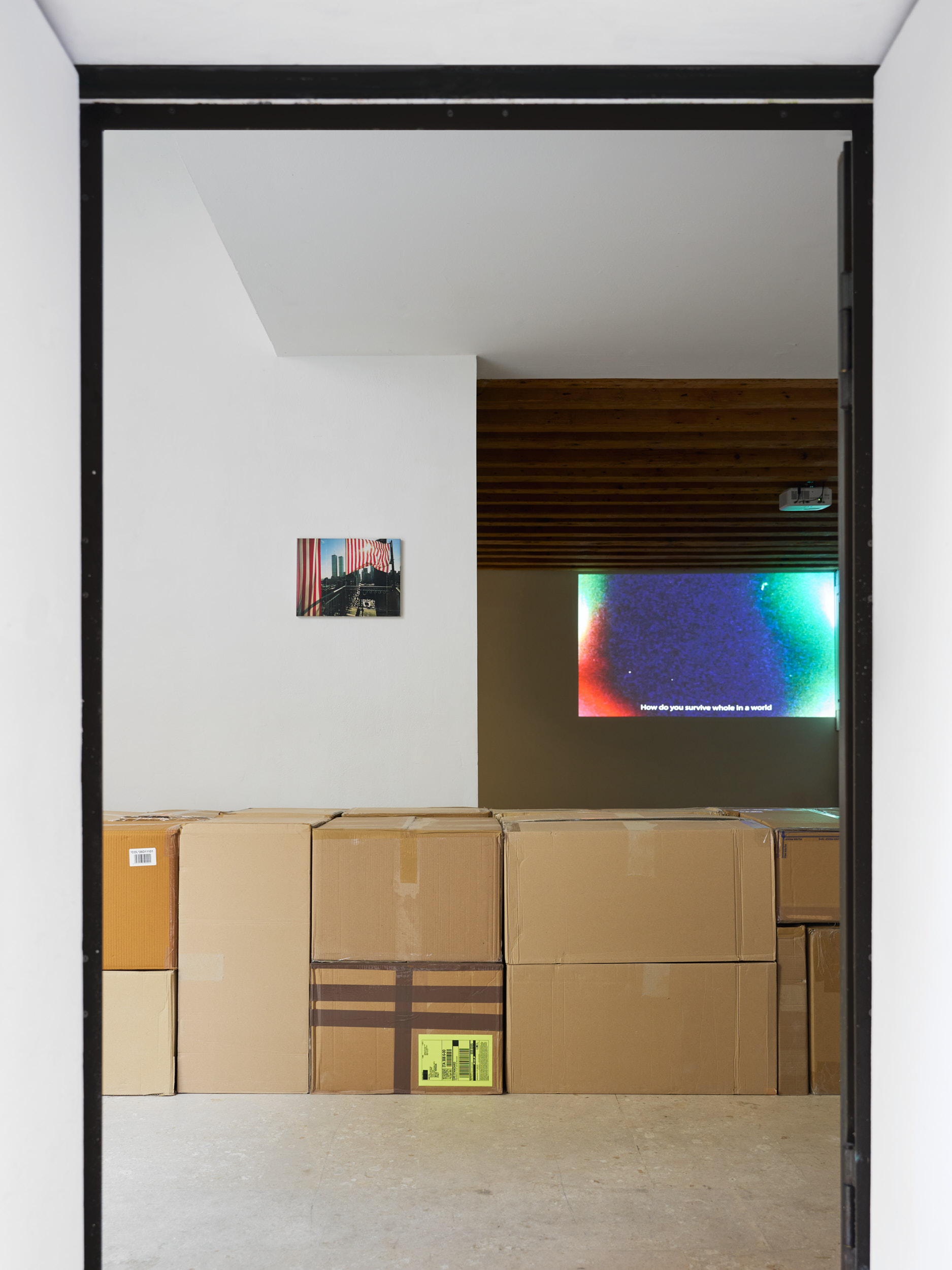
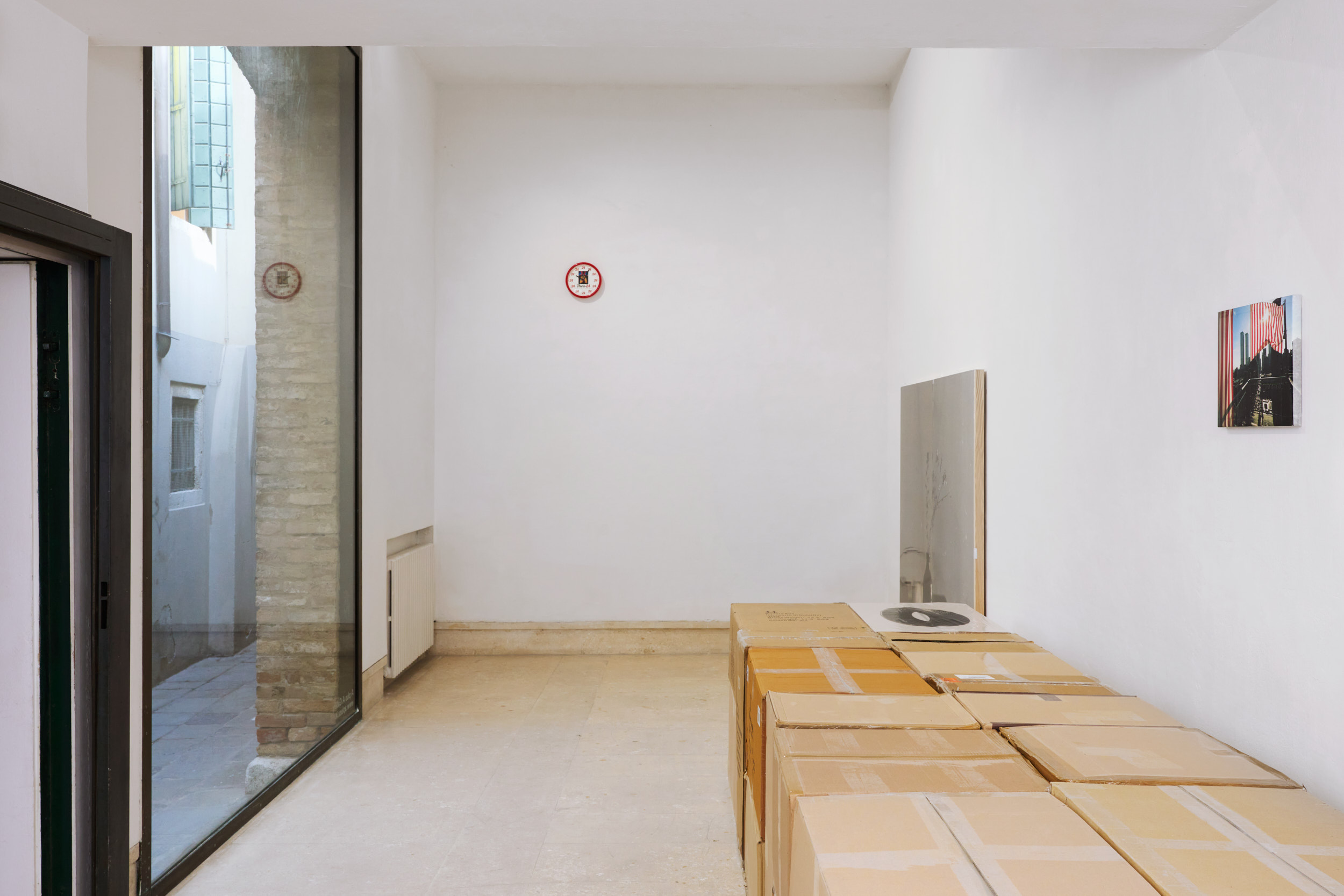
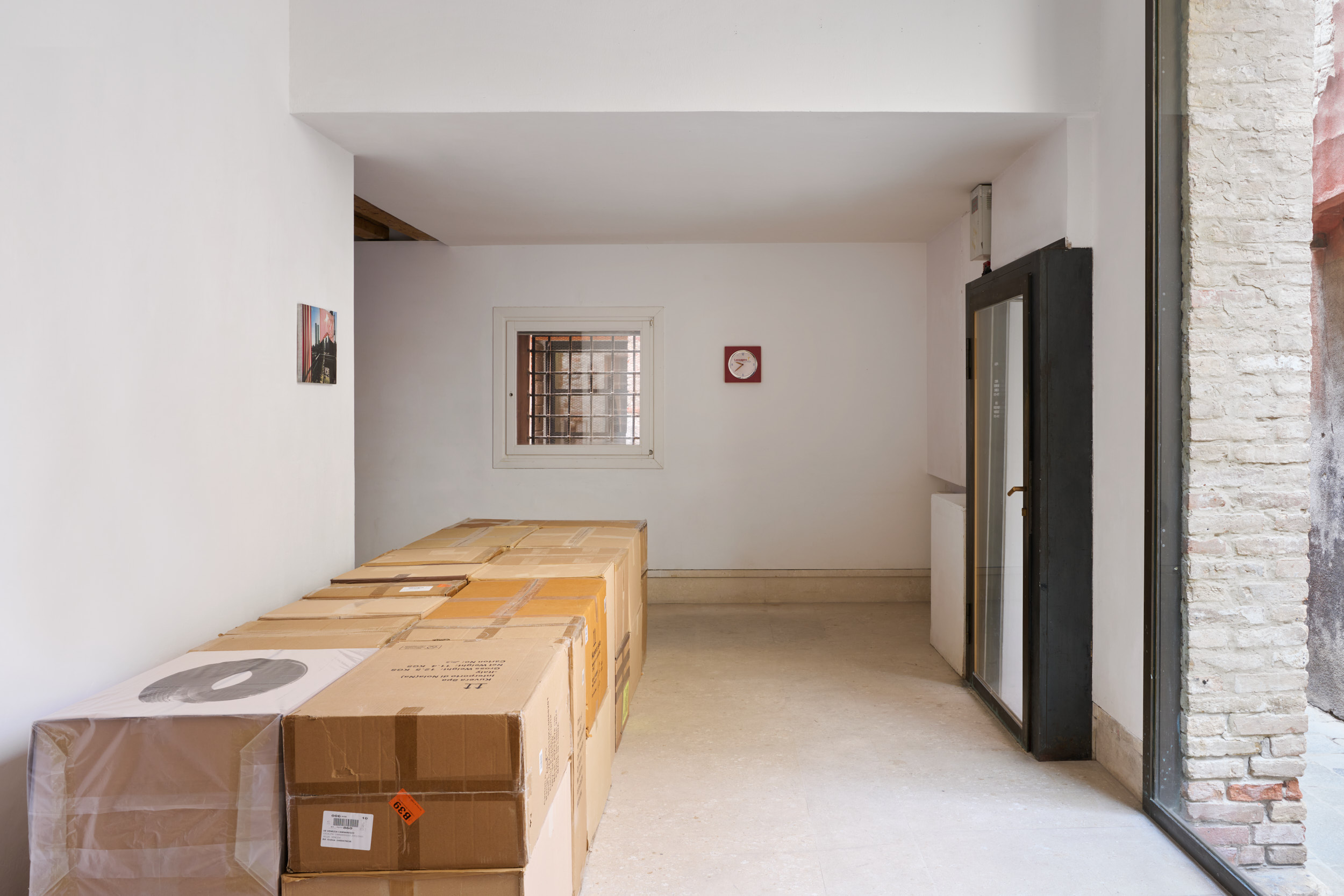
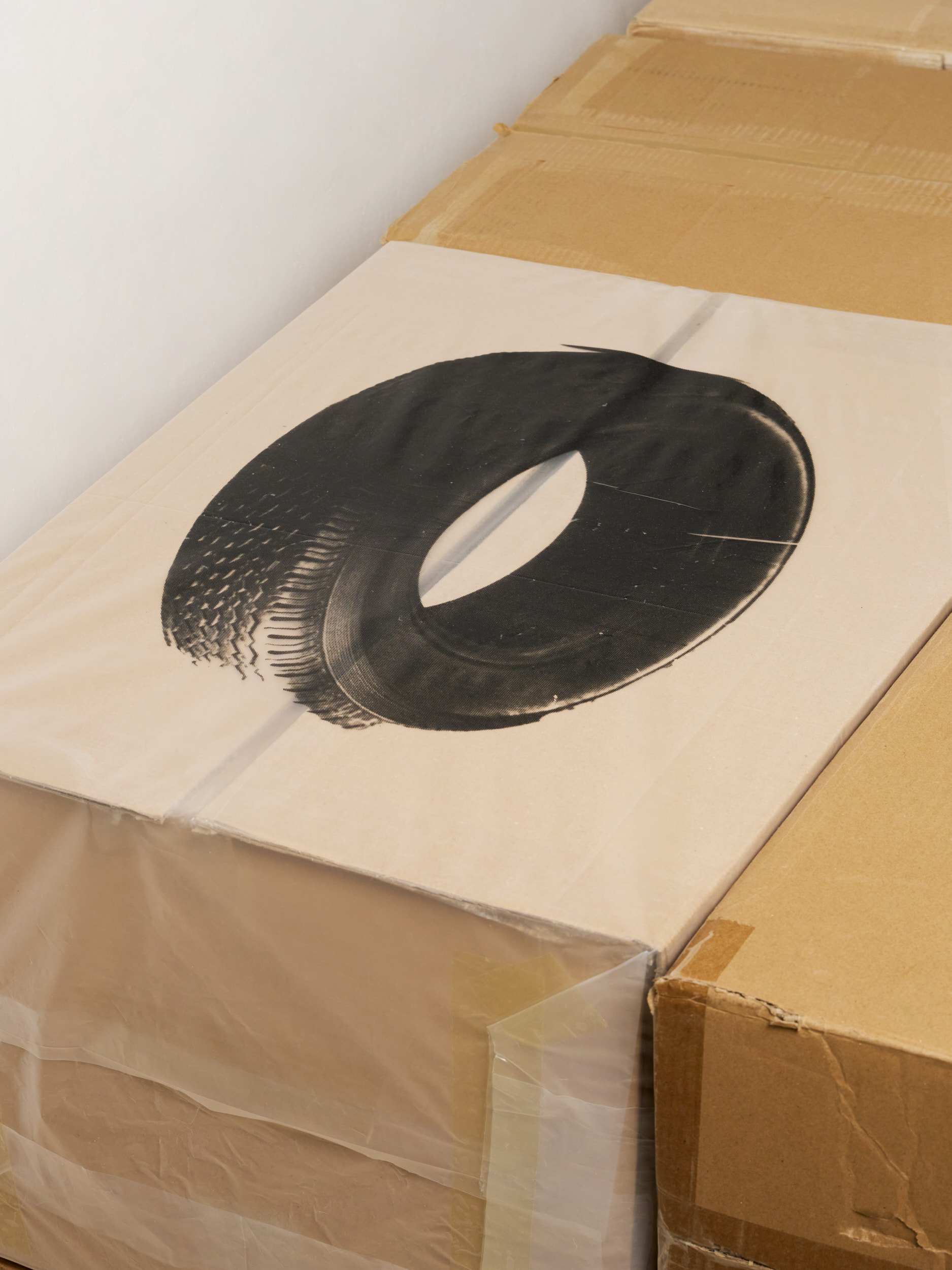
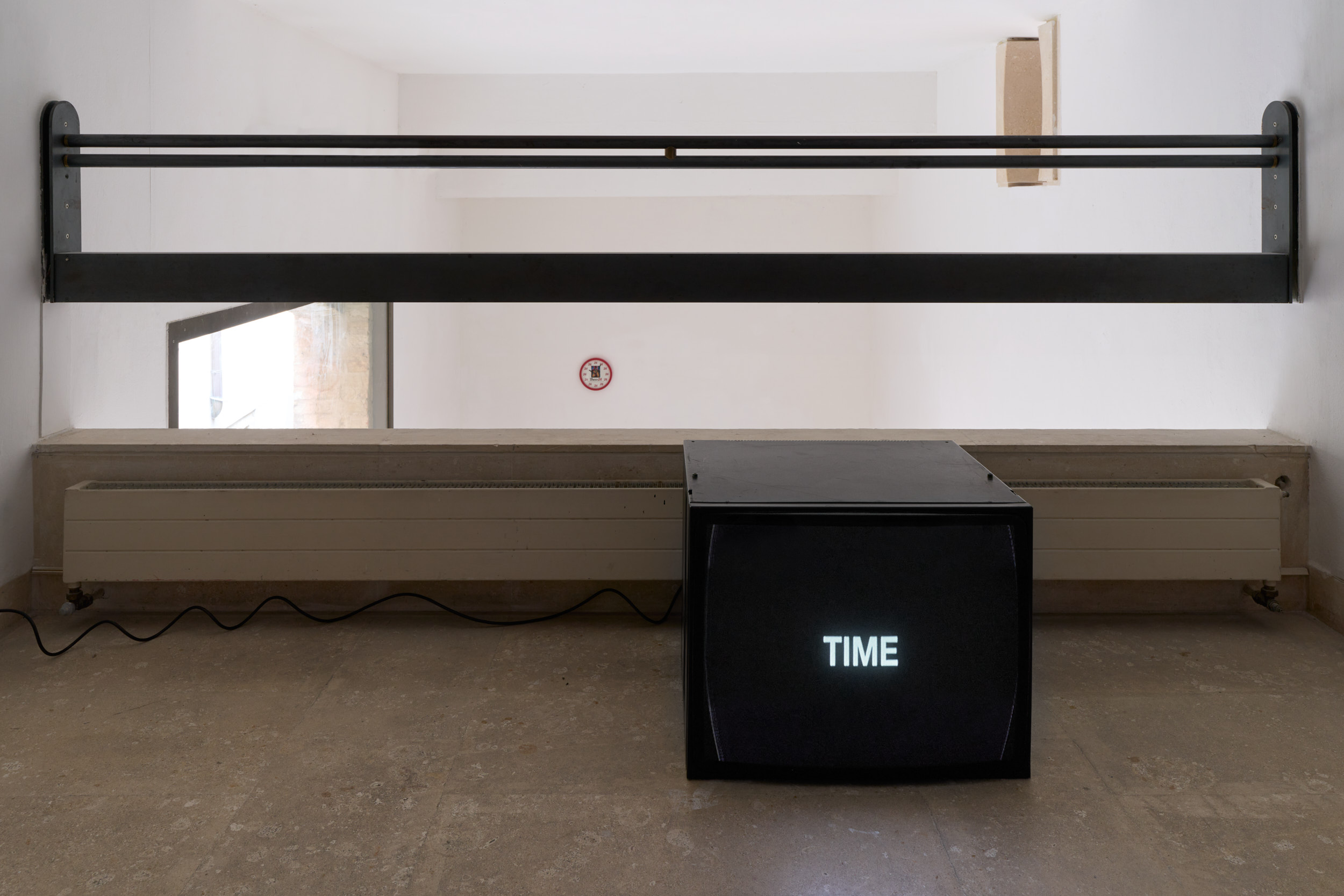
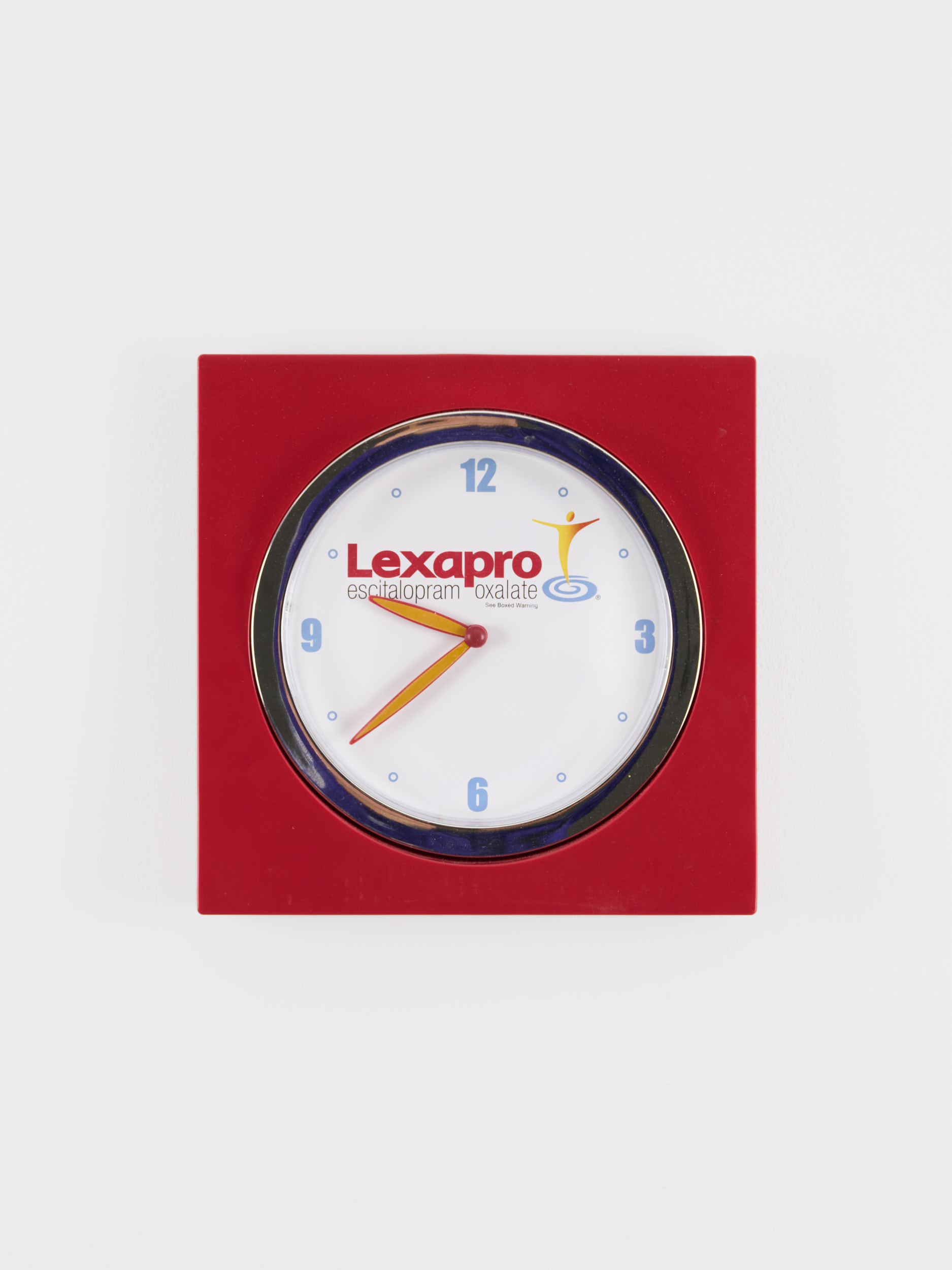
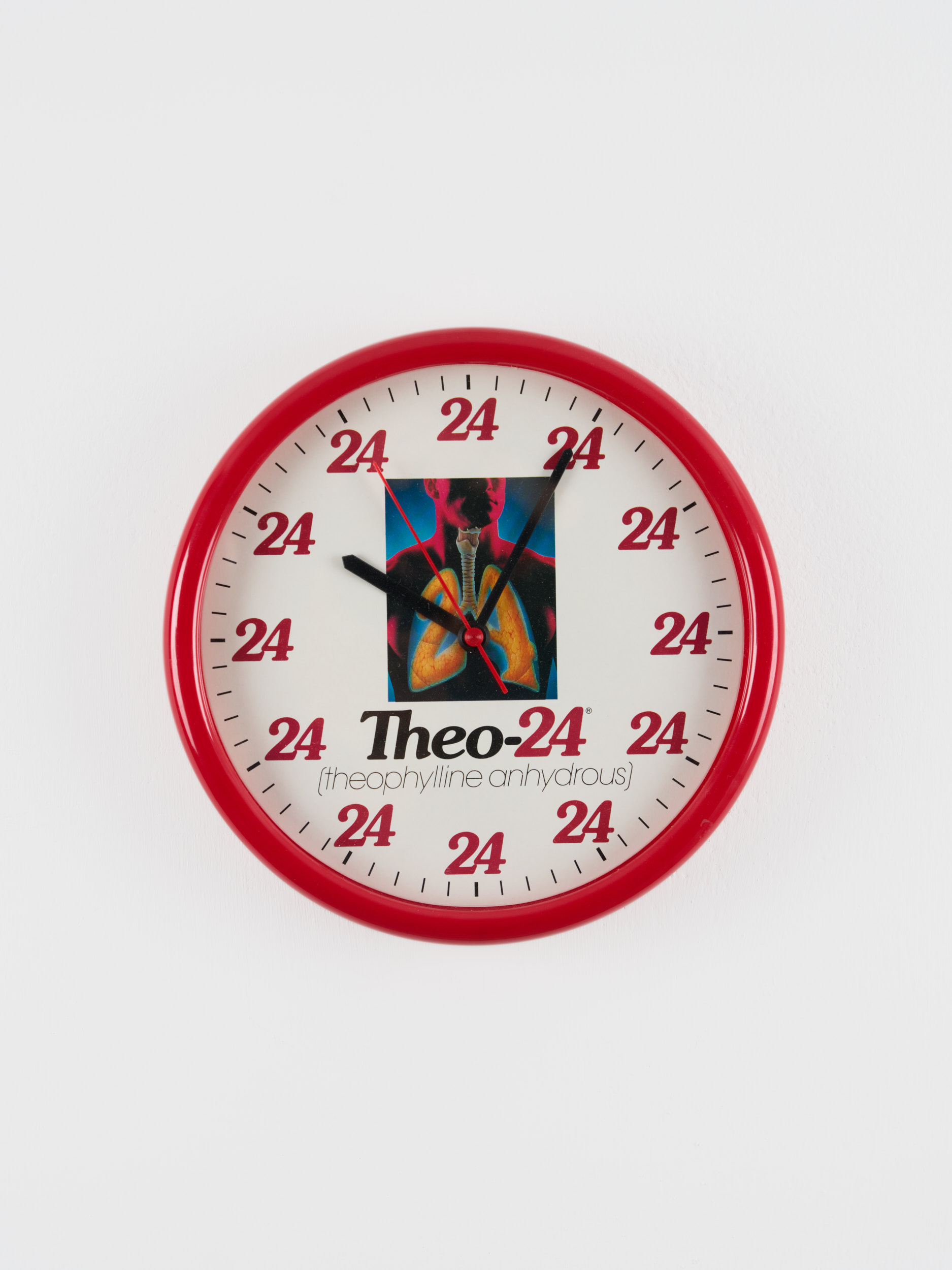
Across film, photography, installation, painting and moving image, fragmentation and mediation shape how works are produced and encountered. In Racheal Crowther’s Best Before (2023), pharmaceutical wall clocks branded with the names of antidepressants circulate within a visual language of care, where time, treatment and behaviour align with corporate frameworks. In Nat Faulkner’s Untitled (Cast) (2026), photographic processes extend beyond the image, incorporating tape, dust and the conditions of production, bringing apparatus and outcome into the same field. A related attention to systems of handling and display appears in Anna Howard’s Glitter (2026), where packaging, storage and distribution are reconfigured as sculptural supports operating between container, display and administration, recalling the provisional economies of Arte Povera and the dispersed archival logic of Fluxus.
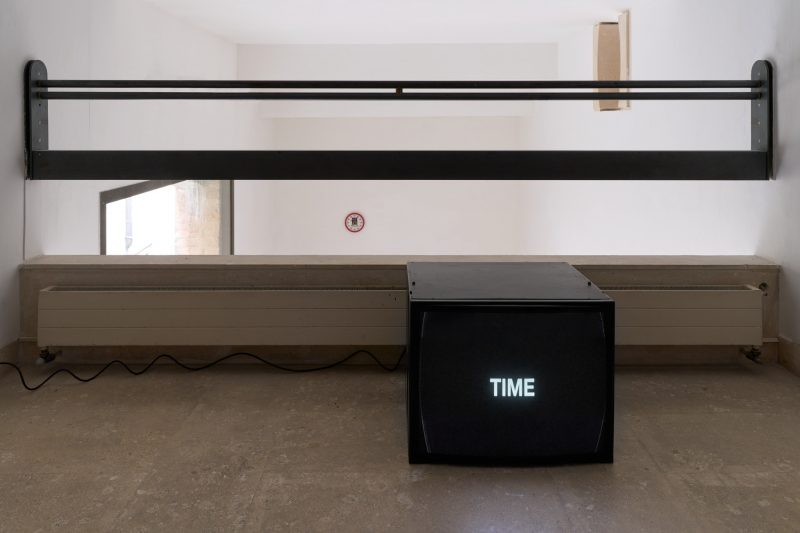
Questions of framing and reconstruction run through Yvo Cho’s After Buren (2026), which draws on archival documentation of Daniel Buren’s installation in New York, where the Twin Towers remain visible as a temporal marker. Reprocessed through reproduction and AI intervention, the image remains in flux, subject to folding, repetition and displacement. A comparable sense of constructed space appears in Vincenzo Ottino’s Cinecittà (2025), a slide projection work drawing on images taken by the artist at Cinecittà Studios, where “sword and sandal” films were produced within the staged architecture of Rome. The projector alternates between image and blank field at fixed intervals, producing a measured oscillation in which the relation between image and apparatus becomes structuring. This temporal register extends into Ufuoma Essi’s Half Memory (2024), where Toni Morrison’s concept of “re-memory” informs a practice attentive to partial recall and archival absence, as different geographies come into view through a logic aligned with surveillance.
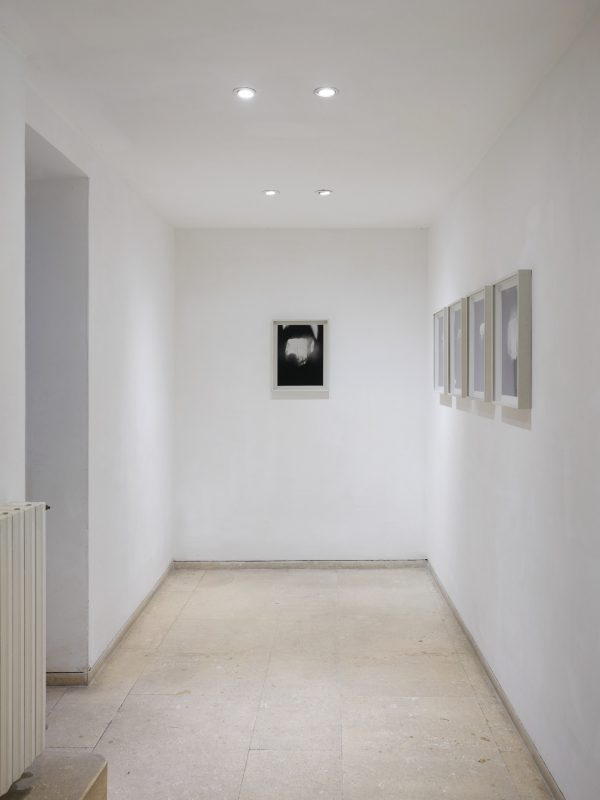
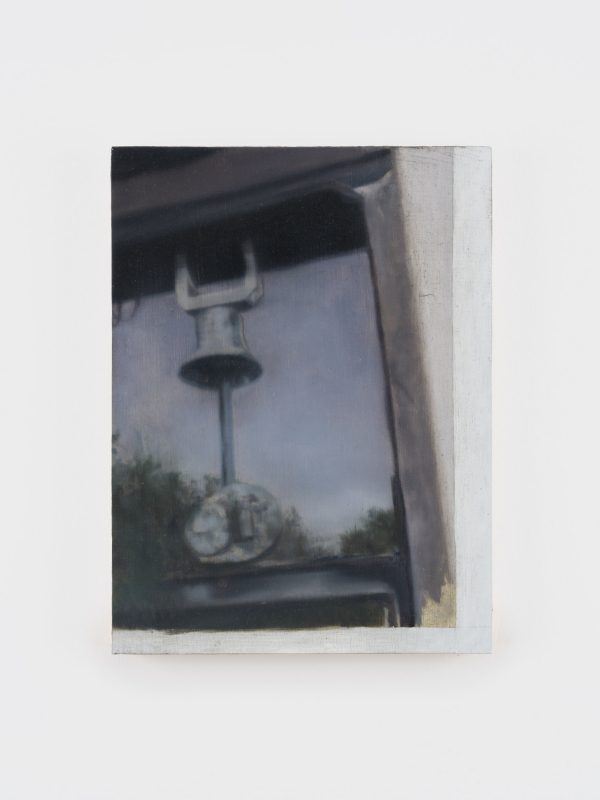
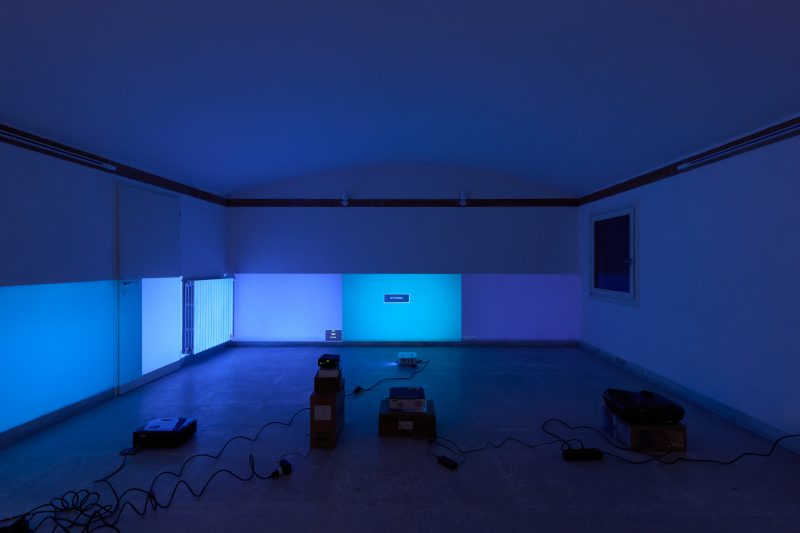
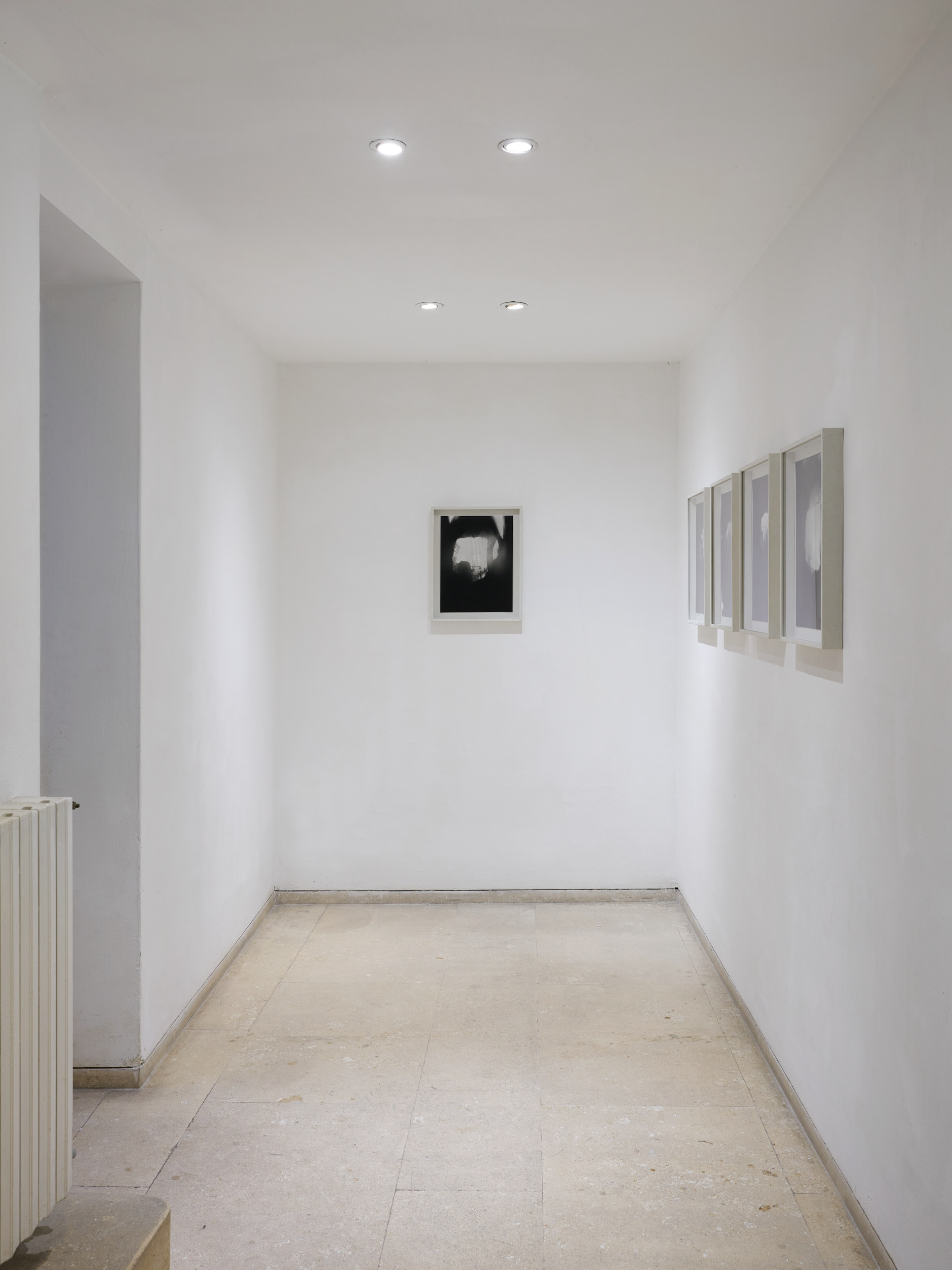
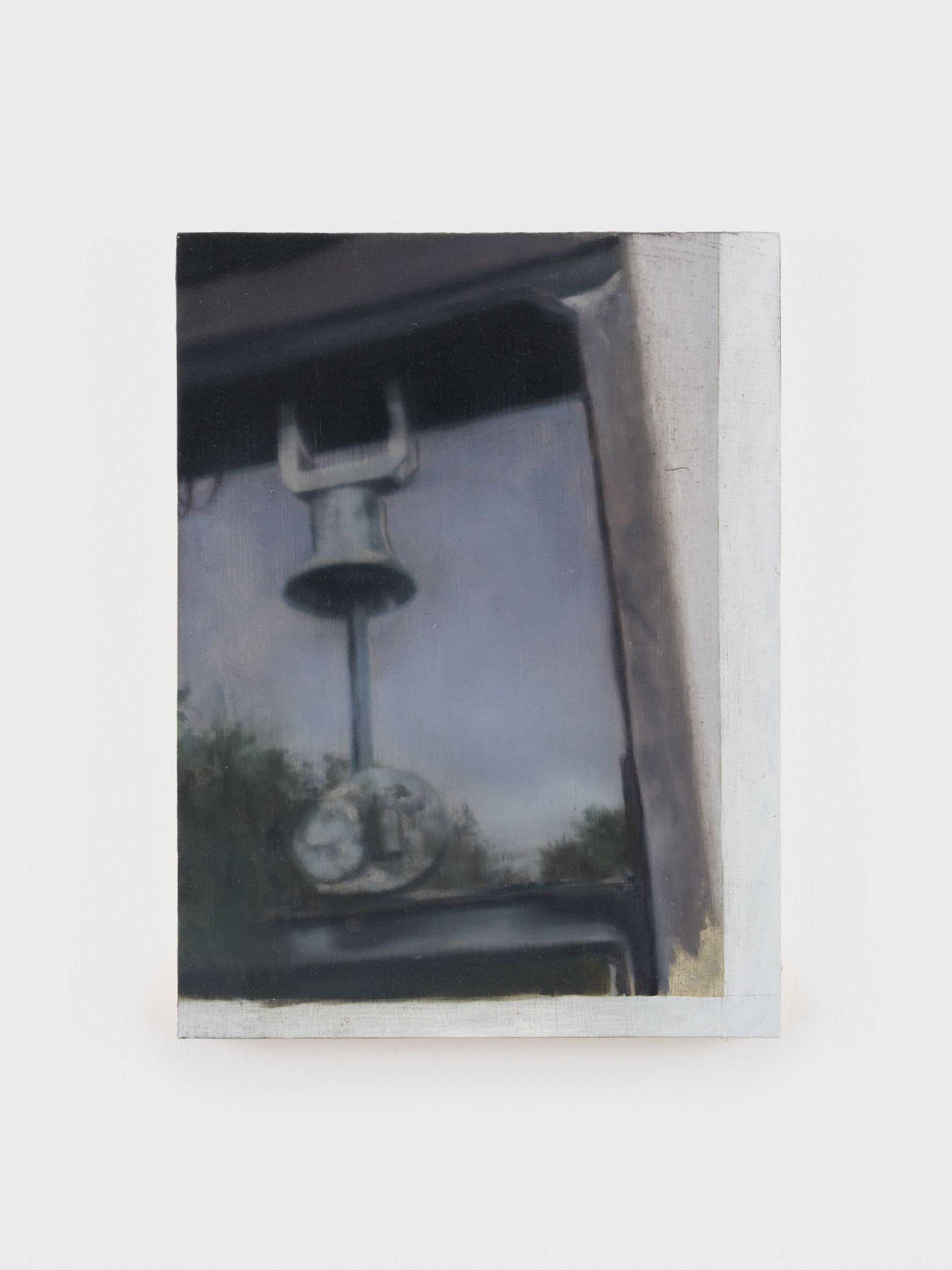
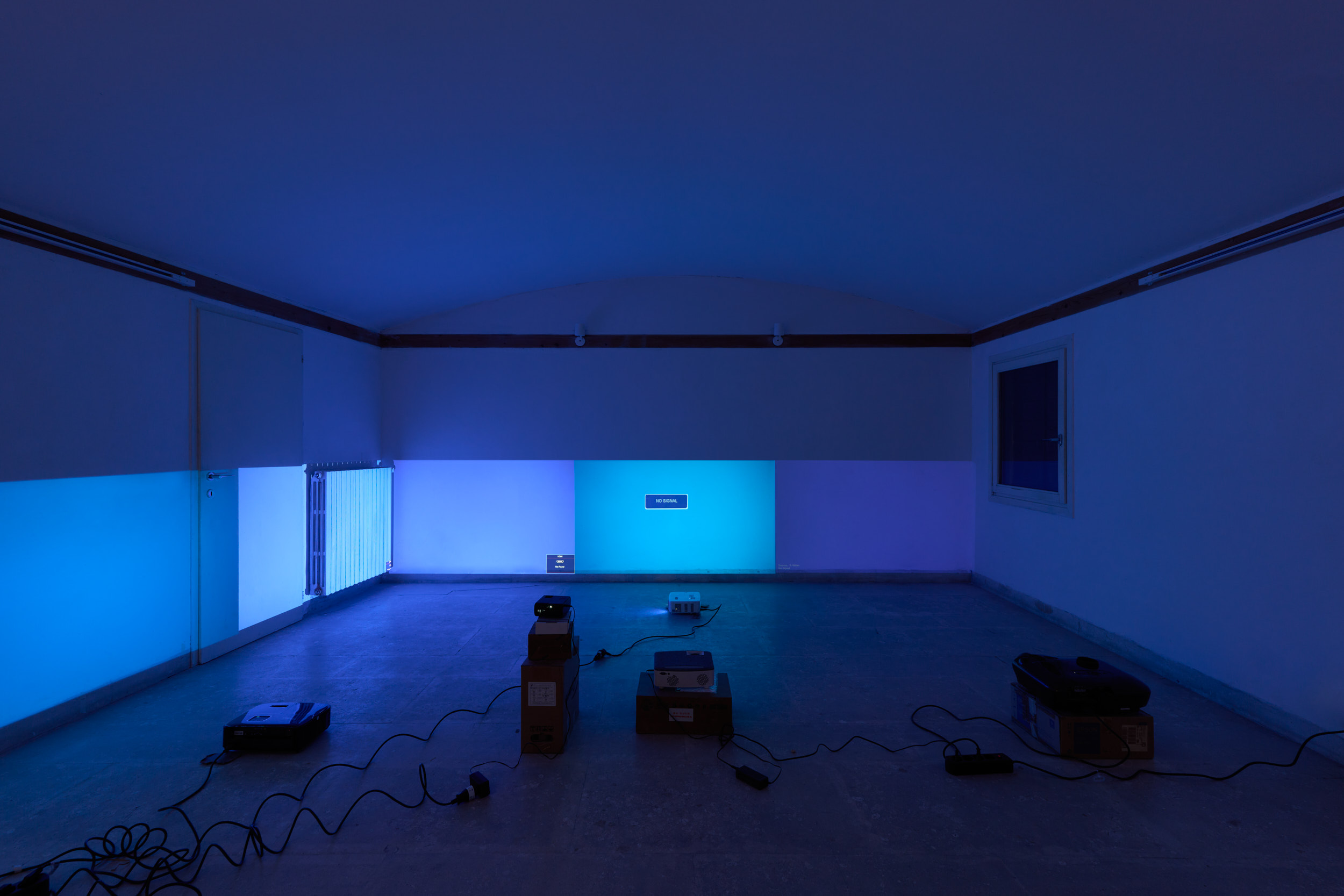
Elsewhere, signals persist as traces. In Anna Clegg’s painting Exterior 10 (2025), the image of a bell, once tied to a sluice system triggered at high tide, appears as an incidental marker rather than a fixed point of orientation. Its function is displaced, operating as a residual soundmark between activation and obsolescence. Nina Porter’s Seated (2024) series of analogue contact prints registers duration through the body, with a camera embedded in a backpack and activated through use rather than intention. Exposure follows waiting, producing images that register time spent rather than events. In Jason Hirata’s Floaters (2019-ongoing), projection systems operate without content, cycling through standby screens that emit a range of blue fields. The projectors, loaned from cultural networks across Venice, situate the work within a broader field of circulation. Their empty output draws attention to the digital conditions through which images are delivered, relocating form within the operational space of the apparatus.
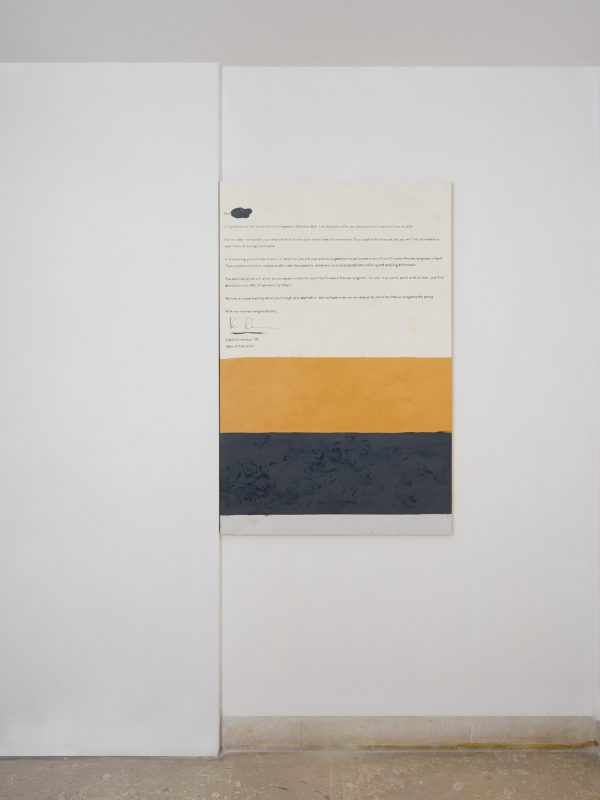
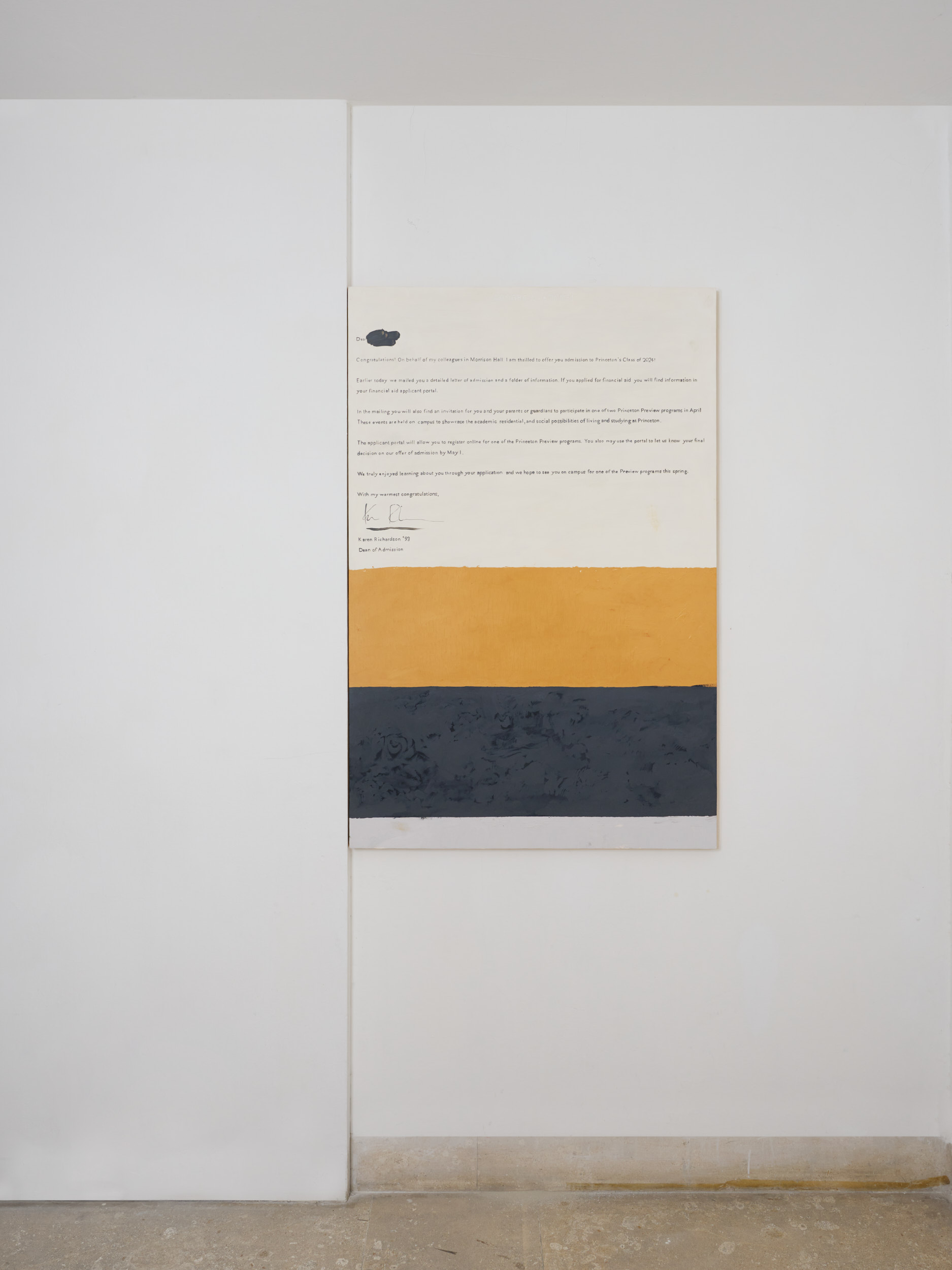
Acts of redaction and extension recur across the exhibition. In Amelia Gill’s Princeton (2025), aspirational images drawn from publicly circulated admissions letters on social media are reconstructed through fields of colour that extend into the surrounding surface. In Hannah Black’s Jaki Liebezeit During a Power Cut Circa 1970 (2012), rhythm, labour and historical reference are approached through repetition and interruption, recalling sustained, metronomic drumming during a blackout, where time and attention are held in suspension.
The exhibition traces how systems of capture, processing and display condition artistic production. Meaning emerges through relations between elements rather than from any single form. The gallery is approached as a compositional field in which intervals, discontinuities and spatial relations shape encounter, extending counterform as a structuring principle.